
Why Proper Cargo Securing Matters During Transportation
Learn how lashing, blocking, chocking, and bracing help maintain cargo stability during transportation.
Introduction
Even well-packed cargo can be damaged if it moves during transportation.
Braking, acceleration, turns, and vessel motion all create forces that can cause cargo to shift, tip, or collide with other goods.
What Is Cargo Securing?
Cargo securing is the process of keeping goods in position inside a container, on a truck, or on other transport equipment.
It usually combines several methods, chosen according to the cargo and the type of transport.
Lashing
Lashing uses straps, wire rope, or chains to tie cargo down to fixed securing points.
Best suited for: Heavy equipment and cargo on trucks, flat racks, and open-top containers.
Blocking and Chocking
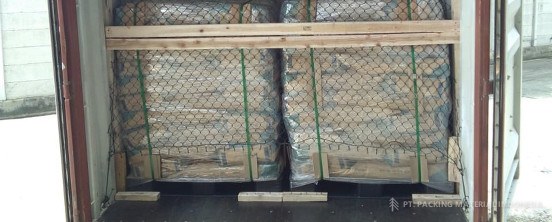
Blocking places wooden supports against the cargo to stop it from sliding. Chocking uses wedges around wheels or round cargo to prevent rolling.
Both methods rely on well-prepared wooden dunnage.
Bracing
Bracing uses wooden beams to connect the cargo to the walls or floor of the container, spreading the load and limiting movement in several directions.
Risks of Poor Securing
Poorly secured cargo can be damaged, damage other goods, or create safety risks during unloading.
It can also lead to delays and additional handling costs.
How PMI Can Help
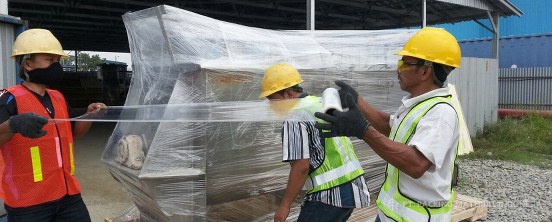
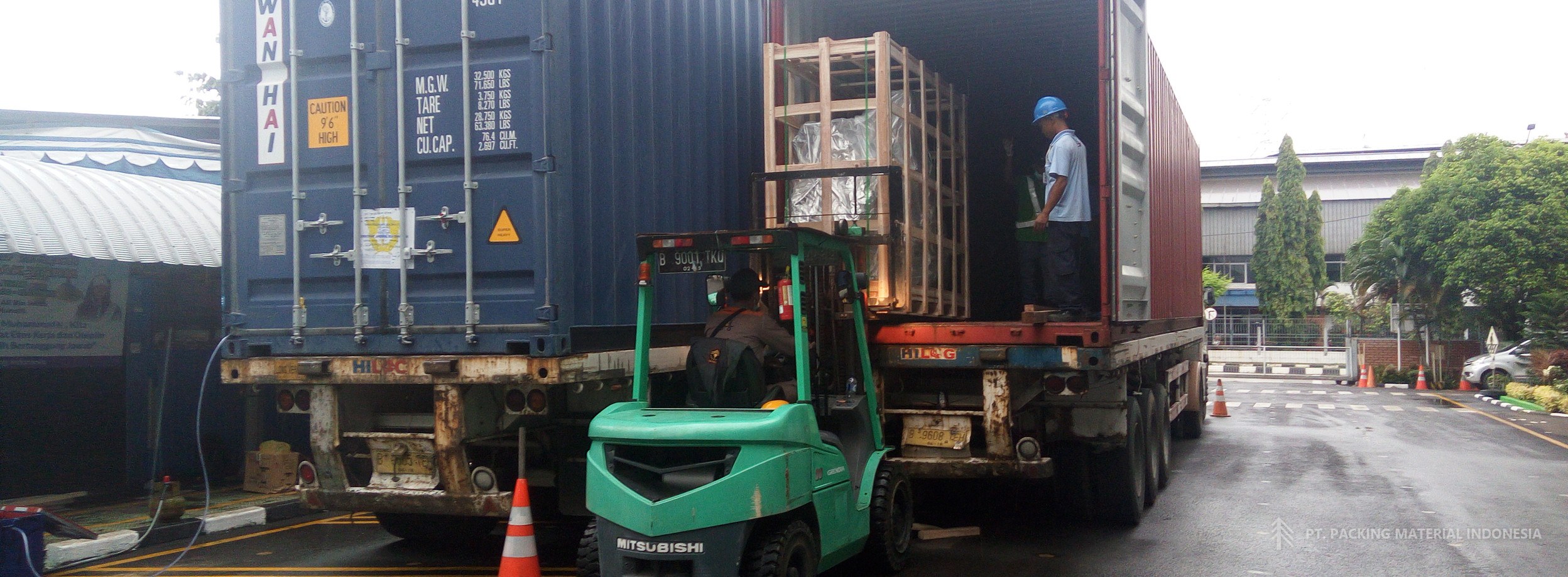
PMI provides lashing and cargo securing services, including stuffing, blocking, bracing, and dunnage supply.
These services can be combined with packing and loading for a more coordinated process.