
Wooden Crate vs. Wooden Case: What’s the Difference?
A simple look at the differences between wooden crates and wooden cases, and when each one is the better choice.
Introduction
Wooden crates and wooden cases are both used to protect cargo, and the terms are sometimes used interchangeably.
In practice, they offer different levels of enclosure and protection.
What Is a Wooden Crate?
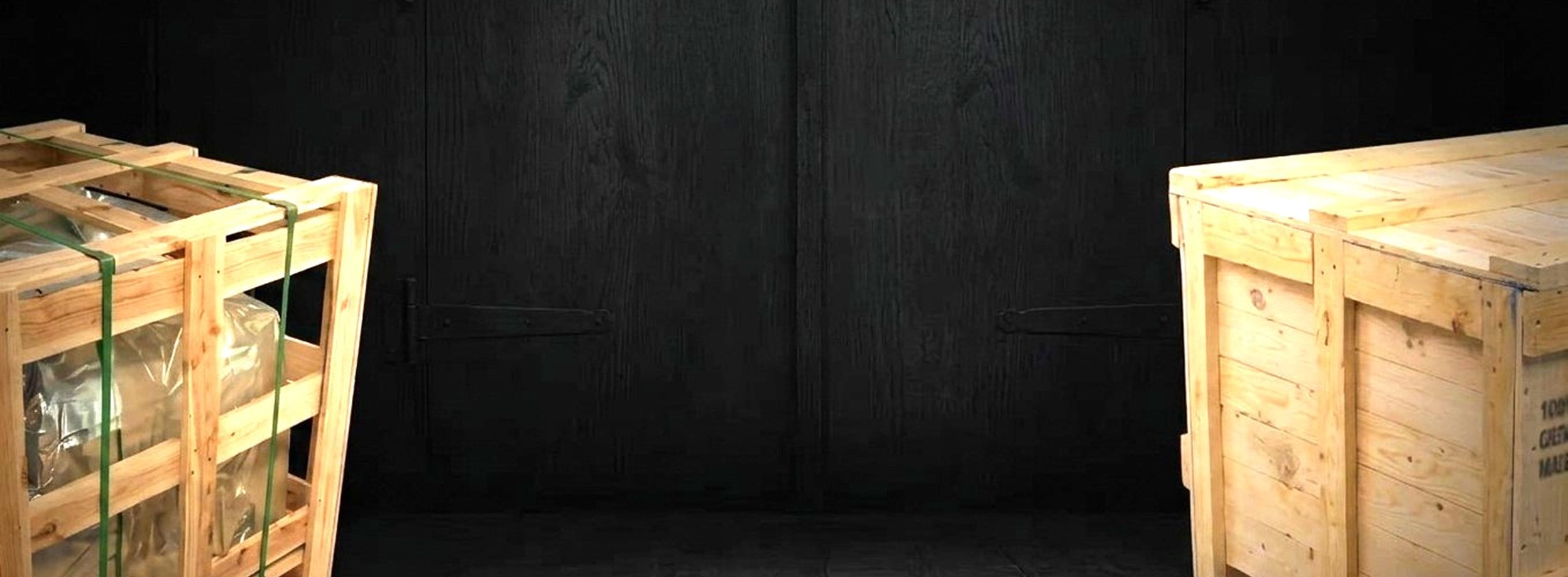
A wooden crate is a framed structure with open spaces between the boards. It provides strong physical protection while keeping the packaging lighter and allowing airflow.
Best suited for: Products that need structural protection but not a fully closed enclosure.
What Is a Wooden Case?
A wooden case is a fully enclosed box, usually made with solid boards or plywood panels on all sides.
It offers more protection from impact, dust, and handling conditions.
Best suited for: Machinery, equipment, and sensitive cargo that need full enclosure.
Key Differences
Crates are lighter and more economical, while cases offer greater protection.
Cases are better suited for combining with moisture barriers such as vacuum aluminium foil, while crates allow easier inspection of the contents.
How to Choose
Consider the value and sensitivity of the cargo, the transport method, and the storage conditions.
For short, domestic transport, a crate may be enough. For export or sensitive equipment, a case is often the safer choice.
How PMI Can Help
PMI builds both wooden crates and wooden cases according to the dimensions and requirements of each cargo, including ISPM 15 treatment for export.