
Fumigation for Cargo & Wooden Packaging
Learn how fumigation supports pest control requirements for cargo and wooden packaging in export shipments.
Introduction
Pests can travel with cargo and wooden packaging across borders. To reduce this risk, many countries require fumigation or other treatments before goods are shipped.
What Is Fumigation?
Fumigation is a treatment that uses a gas, called a fumigant, to eliminate pests in cargo, packaging, or containers.
It is carried out in a sealed space for a set period of time to make sure the treatment is effective.
When Is Fumigation Required?
Requirements depend on the destination country and the type of goods.
Wooden packaging often needs ISPM 15 treatment, while certain commodities such as agricultural products may need fumigation of the cargo itself.
Best suited for: Export shipments with wooden packaging or regulated commodities.
Common Fumigation Methods
Methyl bromide is one of the most widely used fumigants for wooden packaging and cargo. Phosphine is also used for certain commodities.
The right method depends on the cargo, the destination rules, and the time available.
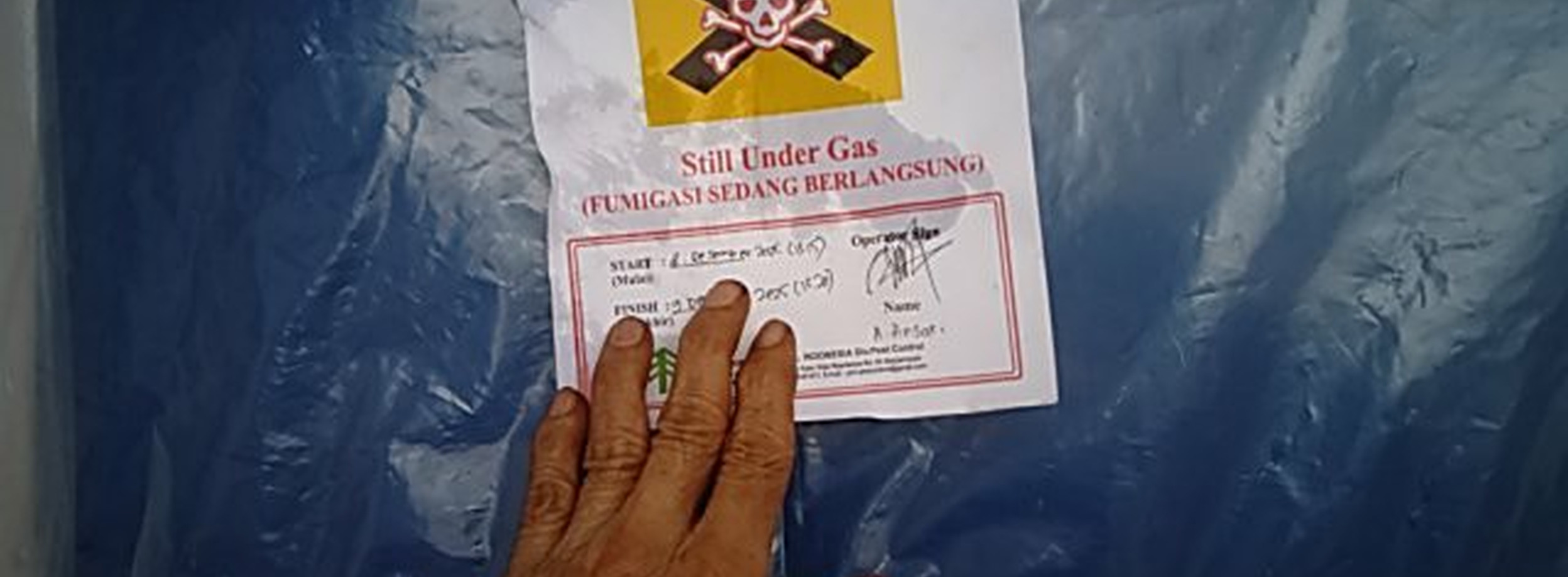
Container Fumigation
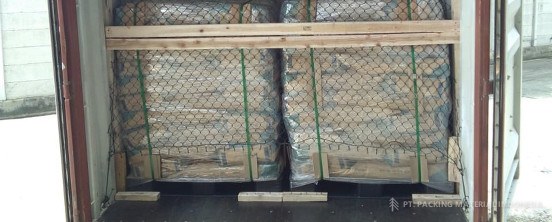
Cargo can be fumigated inside the shipping container, which is sealed and covered during the treatment.
After the exposure period, the container is ventilated before it is released for shipment.
Documentation
A fumigation certificate is usually issued after treatment and may be required by customs or quarantine authorities at the destination.
How PMI Can Help
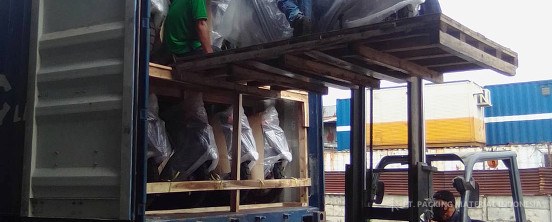
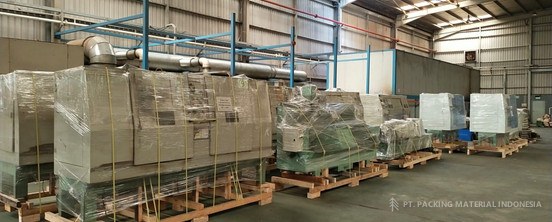
PMI provides fumigation and ISPM 15 treatment services for cargo, containers, and wooden packaging, arranged together with packing and loading.