
How Protective Packaging Helps Reduce Cargo Risk
Explore common protective packing approaches that help reduce damage during handling, storage, and transportation.
Introduction
Wooden packaging provides structure, but many goods also need protection from impact, vibration, dust, and moisture.
Protective packaging materials fill this role and help reduce the risk of damage.
Cushioning Materials
Bubble wrap, PE foam, and styrofoam absorb shocks and vibration during handling.
Best suited for: Fragile items, finished surfaces, and sensitive components.
Wrapping and Surface Protection
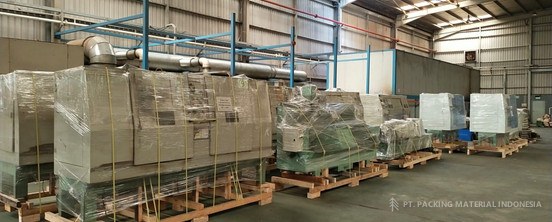
Stretch film and protective wrapping keep goods clean and help hold items together.
They also protect surfaces from scratches and dust.
Moisture and Corrosion Protection
VCI paper, silica gel, and vacuum aluminium foil help protect metal parts from humidity and corrosion, especially during sea freight.
Strapping and Securing
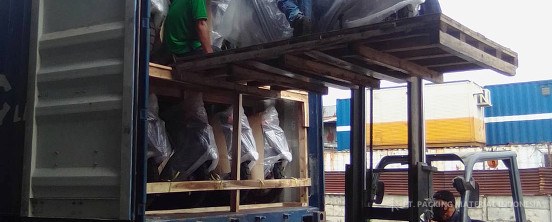
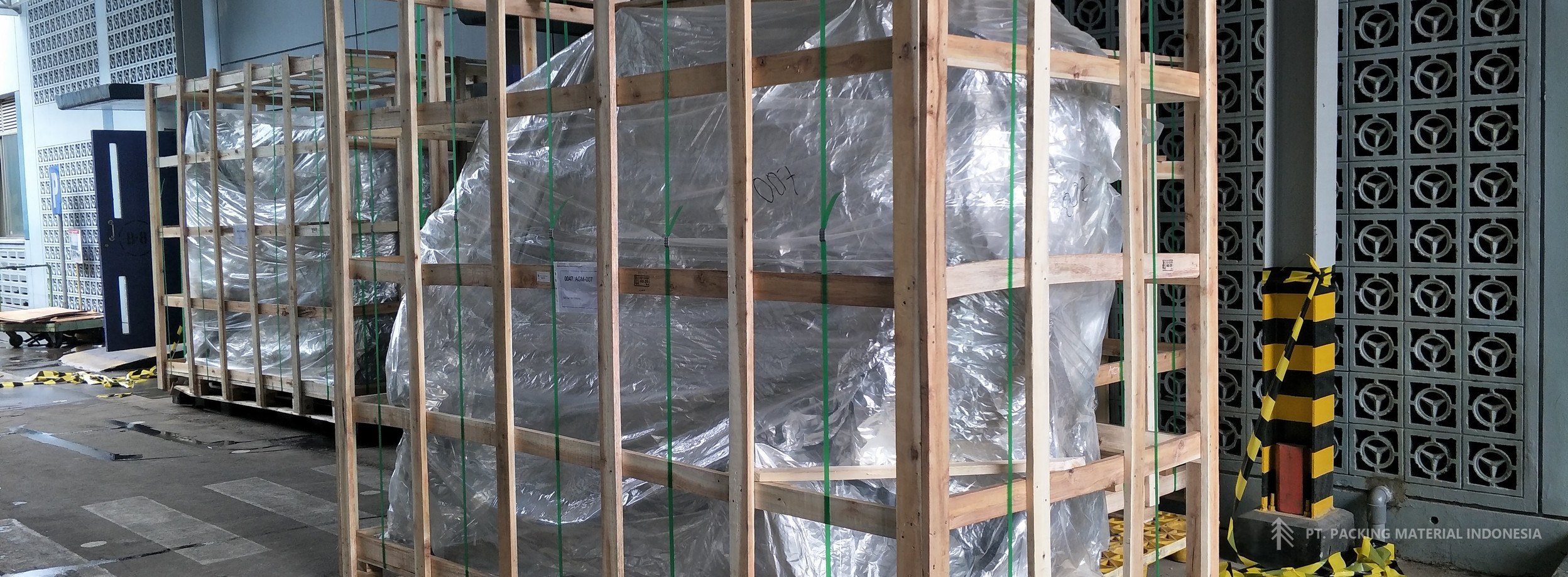
Strapping bands and wire rope keep goods fixed to pallets or inside crates, reducing movement during transport.
Combining Materials
The best protection often comes from combining several materials.
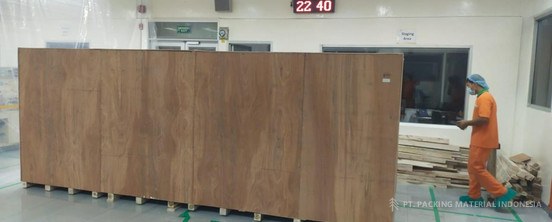
For example, machinery may be wrapped, sealed in aluminium foil with desiccants, and then placed in a wooden case.
How PMI Can Help
PMI supplies protective packaging materials and combines them with wooden packaging as part of our industrial packing services.